

Lately, the implementation of unmanned aerial surveys has gained considerable traction in various industries, fundamentally transforming the way organizations handle gathering data and analysis. Utilizing cutting-edge drone technology, organizations now have access to unprecedented levels of efficiency and precision in mapping. From construction locations to crops, drones offer a flexible solution that improves productivity but also guarantees safety and affordability.
As entities look for innovative ways to streamline their processes, the advantages of drone surveys are becoming more evident. This technology enables rapid data gathering but also supports more knowledgeable decision-making. In this article, we will discuss 30 compelling reasons to incorporate drone surveys into your following project, review how they are changing the construction industry, and contrast their pros to traditional methods of surveying. Whether you are participating in land development, facility inspections, or ecological monitoring, understanding the role of drone surveys can provide a keen edge in the modern competitive landscape.
Top Benefits of UAV Surveys for Companies
Drone surveys offer exceptional efficiency, allowing organizations to gather data quickly and precisely. Traditional surveying practices can be lengthy and require significant manpower, whereas drone technology can scan vast regions in a much shorter time. This allows project teams to start phases of work sooner, speeding up project timelines and enhancing overall output.
Financial benefits are another notable advantage of aerial surveys. By lowering the need for extensive labor and minimizing the duration of surveys, businesses can see significant reductions in project costs. Additionally, the capacity to obtain crisp data in real-time helps in spotting potential issues promptly, allowing for prompt interventions that prevent more expensive setbacks later on.
Moreover, aerial surveys enhance safety, particularly in dangerous environments. Using drones to survey sites lowers the risk to human operators, as they can collect critical data without the need for staff to access dangerous locations. This change not only safeguards workers but also supports compliance with safety regulations, making it a smart choice for organizations dedicated to ensuring a safe working environment.
Comparing Drones with Legacy Techniques
Traditional surveying techniques often involve time-consuming processes that necessitate groups of land surveyors who need to manually cross the area, which is often physically demanding and sometimes dangerous. In contrast, drone-based surveys considerably simplify this process by scanning large spaces in a fraction of the time. Drones can quickly collect high-resolution images and data from the air, enabling for a holistic perspective of the landscape without the requirement for extensive on-ground attendance.
Additionally, the precision and specificity offered by drone surveys frequently exceed those of conventional methods. Although conventional surveying tools rely on human calculations, drones fitted with sophisticated technology are capable of produce precise topographical blueprints and 3D models with minimal error. This level of accuracy enhances project planning and decision-making activities in multiple sectors, ensuring that initiatives are based on reliable and reliable data.
Cost-effectiveness is yet another key distinction between drone surveys and conventional approaches. While initial costs in drone technology may be substantial, the operational savings in time and labor can lead to lower total project expenses. Additionally, Click to find out more to collect and process data quickly means that businesses can accelerate project schedules and minimize delays, making drone surveys a valuable asset for companies seeking to enhance their procedures.
Emerging Trends in UAV Survey Tech
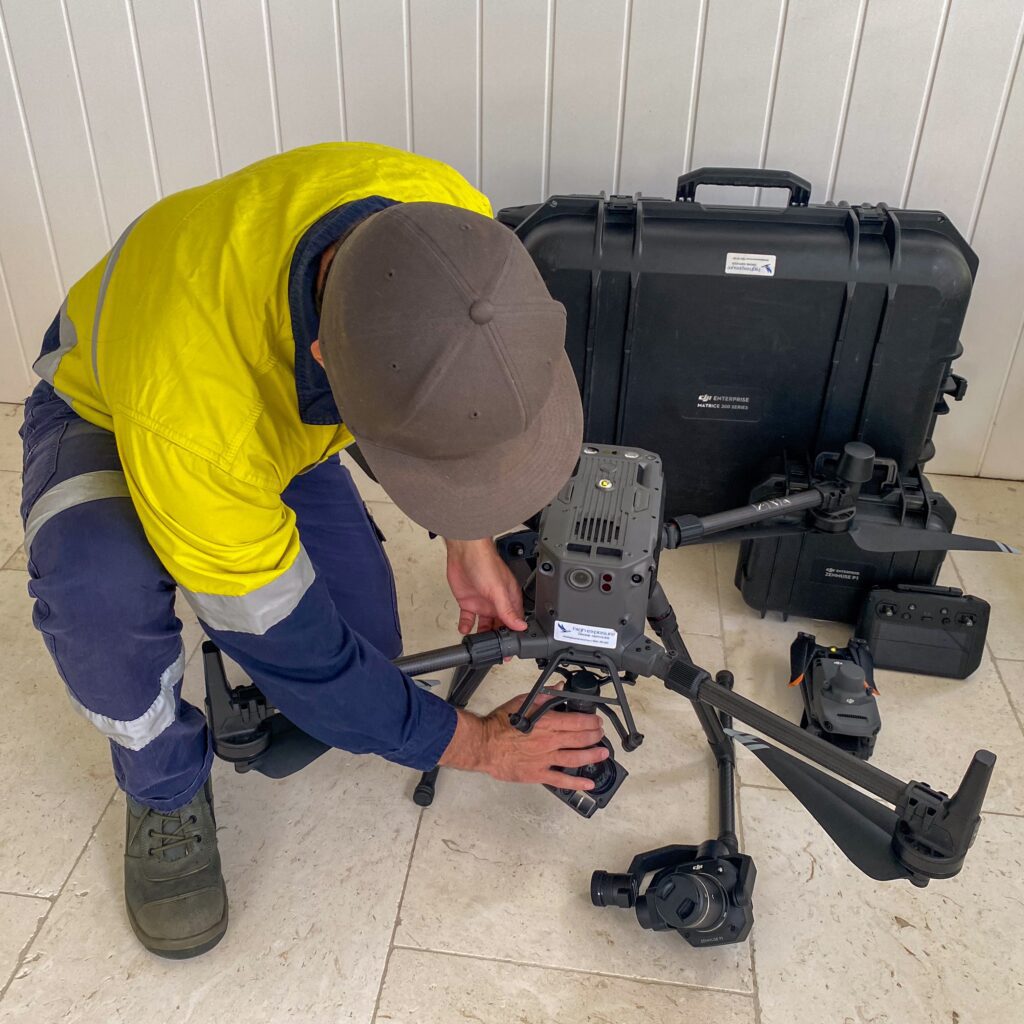
As drone technology continues to develop, companies can expect major advancements in in terms of hardware and digital solutions features. The integration of artificial intelligence and ML is set to transform data processing and analysis, facilitating higher precision interpretations of survey data in real time. This evolution will boost decision-making processes for various sectors, making them more agile and data-focused. Firms leveraging these advancements will gain themselves with a market edge in task execution and asset management.
Additionally, the drive for compliance with regulations and safety in UAV operations will encourage the creation of automatically-operated systems that confirm adherence to regulatory requirements. Enhanced Global Positioning System accuracy and safety technologies will also allow UAVs to function in more complex and sensitive environments. This will significantly improve the reliability of UAV data collection for essential applications, such as infrastructure inspection and ecological monitoring, assuring stakeholders of mission safety.
Finally, the increase of public acceptance and the expansion of commercial drone applications will result in increased investment in UAV surveying tech. As companies realize the cost-saving and efficiency benefits of UAV data collection, we will certainly see additional specialized services emerge, including advanced thermal imaging, multi-spectral analysis, and 3D mapping solutions. This shift will spur innovation, stretching the boundaries of what is feasible with UAV surveys and clearing the way for new applications across varied fields.