

Piling foundations serve as a key aspect of contemporary construction, providing the essential support for buildings ranging from viaducts to tall buildings. As endeavors grow more extensive and increasingly intricate, the significance of grasping how these foundations work becomes apparent. Piling acts to convey loads from a edifice down to stronger soil or rock layers, making it crucial for ensuring the stability of buildings, especially in problematic ground conditions.
In this piece, we will discuss the multiple methods and aspects associated in pile installation. From a beginner's guide to their functionalities to an comprehensive look at the components used, we will address the essentials you need to know about this fundamental element. Whether you are a experienced engineer or just entering in the construction sector, understanding deep foundations is crucial to the success of any large-scale project.
Pile Foundations: A Key Component in Construction
Pile foundations are a vital component in the construction of facilities, particularly when confronting difficult soil conditions. These foundations consist of long, slender posts, known as piles, that get embedded deep into the ground to transfer the structural loads from a building to sturdier soil or rock layers. Such method is especially important for large structures, as it guarantees strength and sustainability over time, minimizing the risk of subsidence and other structural issues.
The selection of piling foundations typically arises when the surface soil does not have the strength to support the weight of a building. In such cases, piles are driven or bored into the ground to access deeper layers that can support the loads adequately. This technique is especially useful in areas with weak soil conditions or when constructing on sites that are affected by environmental challenges, such as beachfront regions or areas susceptible to flooding.
Drilled foundations also come in various types, including hammered piles, which are driven into the ground, and excavated piles, which are drilled and filled with concrete. Each type has its distinct advantages and applications, depending on the particular needs of a project. Comprehending the mechanics and processes behind pile foundations helps builders and engineers ensure that their structures are reliable, balanced, and capable of enduring various external forces.
Types and Benefits of Piling Foundations
Pile bases are categorized mainly into a couple of types: driven supports and bored supports. Driven supports are pre-formed piles that are forced into the ground, while bored supports are made by boring into the ground and packing the holes with cement. Both types serves specific project needs based on soil conditions, weight requirements, and building techniques. Driven piles are often more rapid to install and can achieve deeper levels in less time, making them ideal for projects requiring immediate stability. Bored supports, on the contrary, are typically used in challenging soil conditions where vibration needs to be reduced.
The benefits of using piling foundations extend past just ground support. https://pilingcontractorsderbyshire.co.uk/ are essential to ensuring the security and safety of large structures, especially in locations with soft or unstable soil. By channeling loads deep into the earth, piling foundations help prevent issues like foundation settlement and enhance overall resilience. Additionally, they can handle large forces from skyscrapers or overpasses, making them vital in metropolitan areas where space is scarce.
In addition, pile systems provide adaptability in design and can be customized to meet the distinct demands of different projects. Whether it's the use of micro piles for little edifices or sturdier methods for major constructions, the versatility of pile techniques allows contractors to enhance foundation structures for sturdiness and cost efficiency. This adaptability makes them a popular option in today's construction, especially as metropolises continue to develop and change.
Setup and Improvements in Piling Techniques
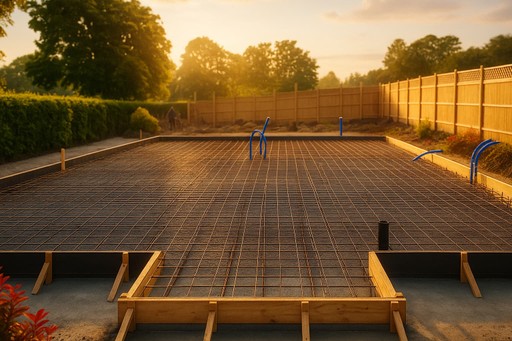
The establishment of piling foundations involves a systematic approach to ensure strength and strength for big structures. First, engineers conduct ground surveys to determine ground conditions, which guides the selection of appropriate piling methods. Once the type of pile is chosen, the process begins with either driving piles into the ground or boring holes for drilled piles. This is followed by the insertion of either cement or metal piles, depending on the project specifications. Effective collaboration between engineers, construction crews, and project managers is crucial at this stage to tackle any issues that may arise during implementation.
Current innovations in piling techniques have significantly improved the productivity and efficacy of foundation installations. For example, developments in hydraulic technology have improved the capability to drive piles to greater depths and with greater precision, minimizing noise and vibration impact on surrounding structures. Moreover, the development of innovative materials and coatings for piles has enhanced longevity and defense to external conditions, especially in marine environments where corrosion risks are greater. These advancements not only streamline the installation process but also contribute to the eco-friendliness of construction practices.
It is crucial to consider prospective trends in piling foundations, especially as development needs evolve. Innovations such as the use of small and micro piles are gaining traction for projects where space constraints exist or where environmental effects needs to be minimized. Furthermore, ongoing research in advanced piling techniques — including monitoring devices that monitor load and settlement in real time — shows promise in enhancing the longevity of structural stability. As the construction industry continues to seek more sustainable and resilient solutions, piling foundations are ready to play a central role in the upcoming phase of building design and execution.