

Scaffolding has been an crucial component of building and remodeling projects for centuries, offering the vital support and access for workers to attain elevated areas securely. Its progress reflects advancements in engineering, material science, and safety standards, each of which have significantly improved how construction sites are established and managed. From the basic wooden structures of ancient civilizations to the sophisticated metal frameworks used today, the story of scaffolding demonstrates the ongoing commitment to enhancing efficiency and safety on work sites.
As we delve into the journey of scaffolding, it is crucial to consider multiple aspects that have shaped its evolution over the years. This includes grasping the different types of scaffolding and their particular uses, the rules that regulate scaffolding practices, and the importance of professional installation to ensure safety. With the growing complexity of building endeavors, awareness about essential safety tips, compliance, and best practices has never been more vital for contractors and homeowners alike. By looking into the past and present of scaffolding, we can more appreciate its crucial role in facilitating construction and renovation efforts globally.
Essential Protection Tips for Scaffold Systems
When operating with scaffold systems, guaranteeing the security of all personnel involved is essential. One of the first steps is to carry out a comprehensive hazard evaluation before beginning any task. This assessment should spot potential dangers on site, including nearness to electrical lines, uneven ground conditions, and environmental hazards. Additionally, proper education for every employees is crucial; they should be informed of correct usage, load limits, and safety guidelines associated with scaffolding.
Regular inspections of scaffold frameworks are essential to maintain safety measures. Site managers should establish a routine inspection list to oversee the stability of scaffold structures, checking for loose fittings, broken parts, and general soundness. If any such problems are identified, prompt action should be taken to rectify them before continuing work. This preventive approach can prevent accidents and ensure a safe working environment.
Another key aspect of scaffold security is promoting awareness among workers about common hazards. Falls are one of the main causes of accidents on construction sites, so using safety equipment such as harnesses and making sure that guardrails are securely in place is vital. Moreover, teaching workers on how to recognize and respond to unsafe situations can enable them to contribute to a more secure workplace for all involved in the task.
Forms of Scaffold Systems and Different Uses
Scaffold structures come in different types, each crafted to address particular needs for building and maintenance projects. One of the most common types is tube-and-fitting scaffolding, comprising steel tubes and fittings that can be assembled in a variety of arrangements. This flexibility makes it an ideal choice for complex structures or renovations where customization is essential. Tube and fitting scaffolding is frequently used in both home and business construction due to its flexibility and durability.
A different popular type is prefabricated scaffolding, that is pre-engineered and built for fast assembly and disassembly. This type usually includes standardized components, making it easier to handle and install. Modular scaffolding is commonly used in business projects and industrial applications where productivity and speed are critical. Its user-friendliness allows workers to save time and reduce labor costs while maintaining excellent safety standards.
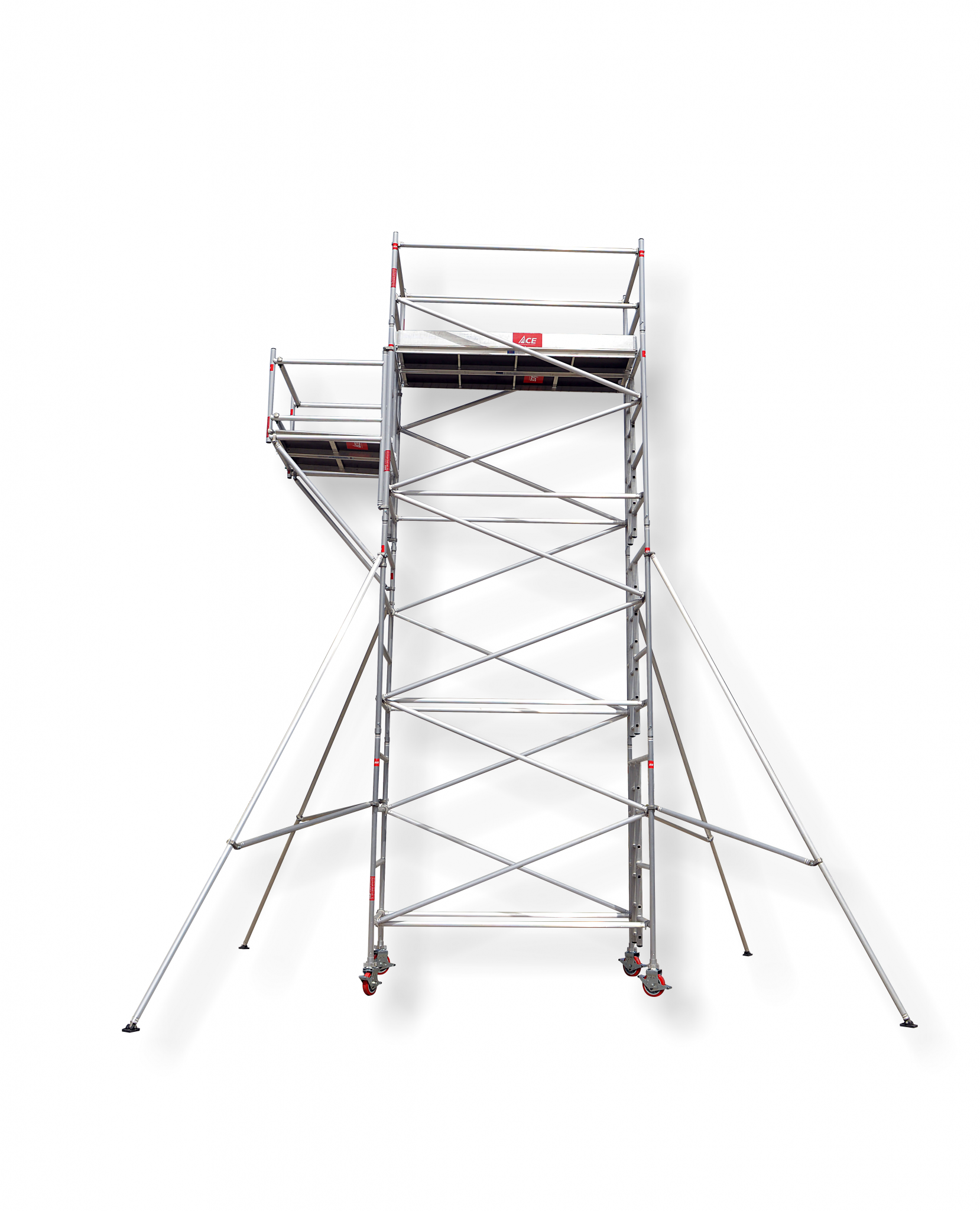
In conclusion, mobile scaffolding is an important option for tasks that need simple movement from one location to another, such as interior painting or maintenance work. This type of scaffolding is equipped with wheels, enabling it to be readily relocated without requiring dismantling. While mobile scaffolding is particularly useful for minor tasks, it is essential to ensure proper locking mechanisms are in place to prevent movement during use. Its adaptability makes it a favorite among contractors and homeowners alike when project demands require both portability and stability.
Scaffold Rules and Best Methods
Scaffolding is controlled by a set of standards created to guarantee employee safety and adherence on job sites. Comprehending these rules is important for contractors and project supervisors. In many regions, scaffold must comply with certain standards set forth by agencies such as the OSHA in the United States or analogous regulatory agencies worldwide. These standards specify specifications for the construction, stability, and maintenance of scaffold structures, stressing the necessity of using materials that satisfy safety specifications and performing routine check-ups.
In addition to adhering to rules, implementing optimal methods can significantly improve safety on construction sites. This entails performing thorough instruction for laborers on the correct usage of scaffolds, ensuring that all components are set up and inspected by certified personnel, and maintaining a direct communication system to report hazards. Site managers should create protocols for scaffold use, including limitations on load capacity and guidelines for secure ascension and laboring while on scaffold, to prevent accidents and incidents.
Moreover, keeping scaffolding in optimal condition is vital for security. https://graph.org/A-Scaffold-Evolution-Transforming-How-People-Construct-02-17 should be integrated into the schedule to detect wear and damage before they result in severe problems. Effective storage methods for scaffold supplies also have a part in maintaining their quality and functionality. By focusing on both compliance with regulations and optimal methods, construction teams can create safer workplaces that safeguard employees while promoting efficiency in projects.