

Implants have emerged as a revolutionary solution for those seeking to replace lost teeth and revitalize their smiles. This innovative procedure offers much more than a simple aesthetic solution; it addresses critical aspects of dental well-being that can significantly improve quality of life. As we explore the world of dental implants, we'll delve into what they are, how they work, and why they may be the best choice when considering traditional options like dentures and bridges.
With the rapid advancements in dental technology and a rising awareness of the benefits of implants, more people are considering this option each year. From enhancing speech and nutrition to preventing bone loss, the advantages of dental implants are considerable. click here will walk you through the basics of dental implants, including the procedure itself, recovery expectations, and the long-term benefits that make them a worthwhile investment in your oral health and confidence.
Comprehending Teeth Implants
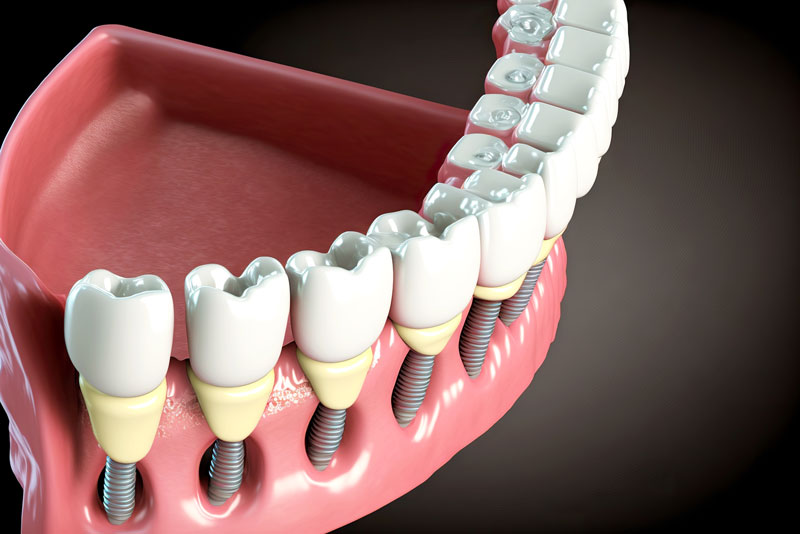
Teeth implants represent a innovative answer for replacing absent teeth. They include a metal post that is surgically placed into the jaw, serving as a substitute root for the missing tooth. Once the implant integrates with the bone, a crown is set on top to look like the form and function of a natural tooth structure. This process not only does it re-establishes visual appeal but also preserves that typical biting and speaking functions can be maintained.
The technology behind dental implants has evolved considerably, enabling better positive outcomes and less invasive treatments. These implants give a durable solution compared to traditional dentures or bridges, which may necessitate more frequent changeovers or modifications. These implants help to preserve bone structure health, as they activate the bone just like real root structures do, preventing jawbone loss that commonly takes place when a tooth absent.
People are frequently interested about the criteria for dental implants. Elements such as dental condition, bone strength, and personal habits are taken into account when deciding if someone is a good candidate. A thorough assessment by a dental professional can give insights into whether dental implants are the appropriate solution and what measures may be necessary to prepare for the procedure, ensuring a successful outcome and a pleased grin.
Benefits and Considerations
Selecting dental implants provides numerous benefits that can significantly enhance an individual’s quality of life. One of the most prominent advantages is the restoration of oral function, helping patients to eat and speak comfortably again. In contrast to dentures, which may slip or cause discomfort, dental implants are anchored stably in the jawbone, providing stability and sensation similar to natural teeth. Additionally, they help maintain the jawbone's integrity, preventing the bone loss that frequently accompanies missing teeth.
Nonetheless, potential candidates should consider several factors before committing to dental implants. The procedures can be complex and require a detailed evaluation to determine if one is a good candidate. Factors such as overall, the condition of the jawbone, and personal habits like smoking can impact the success of the implants. It’s crucial to discuss these considerations with a dental professional to ensure the most favorable outcome.
The cost in dental implants should also be balanced against their long-term benefits. While the initial costs can be higher than alternative options like dentures, dental implants commonly offer enhanced durability and longevity. With proper care, they can last a lifetime, demonstrating to be a cost-effective solution in the long run. Ultimately, patients should assess their individual needs, lifestyle, and budget when deciding on dental implants as a restorative option.
Oral Implantation Processes & Aftercare
The oral implant procedure typically entails multiple stages to guarantee the optimal results. At first, a thorough evaluation is carried out, including scans to analyze the jawbone composition. If required, bone grafting may be performed to create a solid foundation for the implant. After the site is prepared, a titanium post is surgically placed into the jawbone, acting as the base of the new tooth. Following this placement, a recovery period of multiple months is often needed to allow for osseointegration, where the bone integrates with the implant, providing stability.
After the successful integration of the implant, a crown is crafted and secured to the post. This final restoration is tailored to correspond the surrounding teeth, providing a natural appearance and functional alignment. Post-surgery, patients may notice minor discomfort, swelling, or bruising, which can typically be handled with recommended medication. Routine follow-ups with the dentist are essential to track healing and ensure the implant operates properly.
Post-operative care is crucial for the durability of dental implants. Patients should follow rigorous oral hygiene practices that include brushing and flossing around the implant site. It is also advisable to avoid hard or chewy foods in the initial weeks to avoid harm the new implant. Regular dental check-ups will guarantee that the implants remain healthy and tackle any potential issues early on. With adequate care, dental implants can give a durable solution that enhances both oral health and overall quality of life.