

Clogged drains are an inconvenience that many homeowners face at some time, but they can also result in significant plumbing problems if not resolved in a timely manner. Whether it’s the kitchen sink struggling to drain after washing dishes, or the shower not to let water flow freely, clogs can disturb daily routines and create difficult scenarios. Understanding the common causes of these obstructions, as well as effective prevention and remedies, is important for maintaining a well-working plumbing system.
In this detailed guide, we will discuss the 30 frequent causes of blocked pipes and provide you with practical suggestions on how to avoid them. From spotting the main signs that indicate your drain is on the verge of a blockage to discussing the pros and cons of DIY versus expert solutions, we've got you taken care of. Additionally, you will discover the best natural remedies for removing blocked drains, understand how to maintain your drains functioning well with regular care, and realize how certain practices, like using harsh chemical cleaners, can often do more harm than good. Say goodbye to blockages and hello to a more efficient plumbing system with the guidance and approaches in this guide.
Common Causes and Prevention of Clogged Drains
Blocked pipes are often the outcome of various materials building up over the years. One of the main causes is hair, which can easily get trapped in toilet sinks and shower drains. To avoid hair clogs, consider using sink screens or catchers that can catch hair prior to it goes down the pipes. Regularly cleaning these screens can greatly lower the chances of blockage.
In kitchens, grease and food particles are frequent offenders. When fat is disposed down the drain, it cools and solidifies, resulting in blockages that can be challenging to remove. To prevent this, always dispose of grease in a container rather than in the drain. Additionally, running hot water while using the food waste disposer can assist prevent food waste from adhering to the drain, reducing the probability of clogs.
Plant roots can also cause significant blockages in drains, especially in antiquated homes. As the root system search for moisture, they may invade underground plumbing, causing considerable issues and flooding. Regular maintenance and checking of landscaping near drain systems can aid identify potential issues. Using root barriers and making sure proper drainage design can further prevent root invasion and keep clear drains.
Do-It-Yourself Drain Clearing Techniques vs. Professional Assistance
When faced with a blocked drain, many homeowners often opt for DIY solutions. Common techniques include using a plunger, a drain snake, or natural remedies like baking soda and vinegar. Discover more here can be successful for small clogs and help save money. However, effectiveness with DIY solutions often depends on the kind and severity of the clog. In numerous cases, these fixes can provide quick results and are worth trying before transitioning to more complex methods.
On the other hand, expert plumbers bring knowledge and specialized tools that are specifically made to address difficult clogs. They can detect underlying issues, such as roots invading pipes or sewer line blockages, that may go unresolved with basic methods. Expert equipment like hydro jetting or camera inspection tools can efficiently clear stubborn clogs and offer a comprehensive inspection of the plumbing system. This helps avoid future problems and can save you from costly repairs down the line.
Ultimately, the choice of DIY and expert help is based on your confidence and the situation at hand. For simple clogs, do-it-yourself techniques can be a reasonable first step. However, if https://brassfall0.werite.net/a-clear-path-forward-how-to-unclog-your-drains-stress-free find that clogs are recurring or especially difficult, it may be necessary to call in a professional. Knowing when to seek help can stop small issues from escalating into expensive repairs.
Fundamental Drainage Care Tips
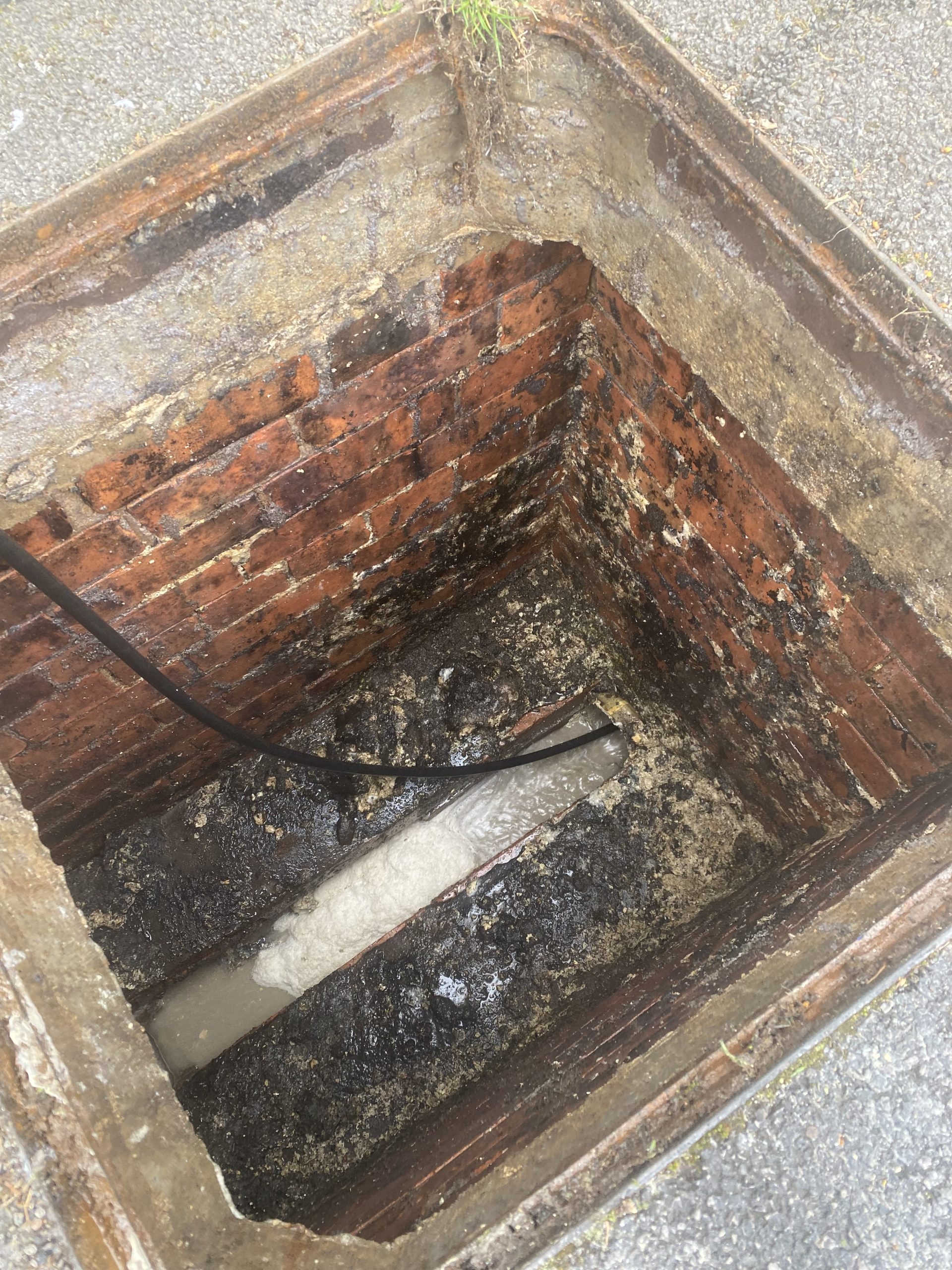
Routine upkeep is essential to avoid blockages and secure the durability of your drain system. Begin by establishing a routine maintenance plan for all drainage pathways in your house. This involves using a mixture of natural remedies, like sodium bicarbonate and acetic acid, to help break down buildup. Additionally, think about investing in mesh screens or guards to trap hair, food scraps, and debris before they get into the pipes, greatly reducing the likelihood of clogs.
Periodic inspections can also be advantageous, particularly for outdoor drains that may accumulate foliage and additional debris throughout the year. In the course of these inspections, clear any apparent obstructions and check for signs of broken pipes or other issues that could result to clogs. Keeping track of these inspections can help you recognize recurring problems and resolve them beforehand.
Knowledge is also a crucial component of successful drainage maintenance. Teaching your household members about appropriate disposal methods can diminish the likelihood of clogs significantly. Make sure everyone knows what can and cannot go down the drains, particularly in the cooking area and bathroom. By fostering a environment of awareness and responsible behavior, you can keep your drains operating smoothly and avoid costly fixes in the future.