

In terms of construction, the foundation forms the cornerstone of any effective project, in a literal sense. Among the different types of foundations, piling foundations stand out as a key solution for ensuring strength and resilience, especially in difficult ground conditions. Whether you are intending to erect a skyscraper on poor soil or create a residential home in a coastal area, comprehending piling foundations is crucial. This article will delve into the details of piling foundations, highlighting their importance, types, and benefits, while leading you through the fundamentals of how they work.
If you are unfamiliar to the world of construction, exploring the realm of foundations can seem daunting. Nevertheless, with the proper information, you can value the vital role that piling foundations play in supporting large structures and prolonging their durability. From the variations between shallow and deep foundations to the choice of materials and methods, we will offer a comprehensive overview that will arm you with all the knowledge you require about piling foundations before initiating your upcoming project. Join us as we discover the art of creating strong beginnings through strategic piling strategies.
Grasping Piling Bases
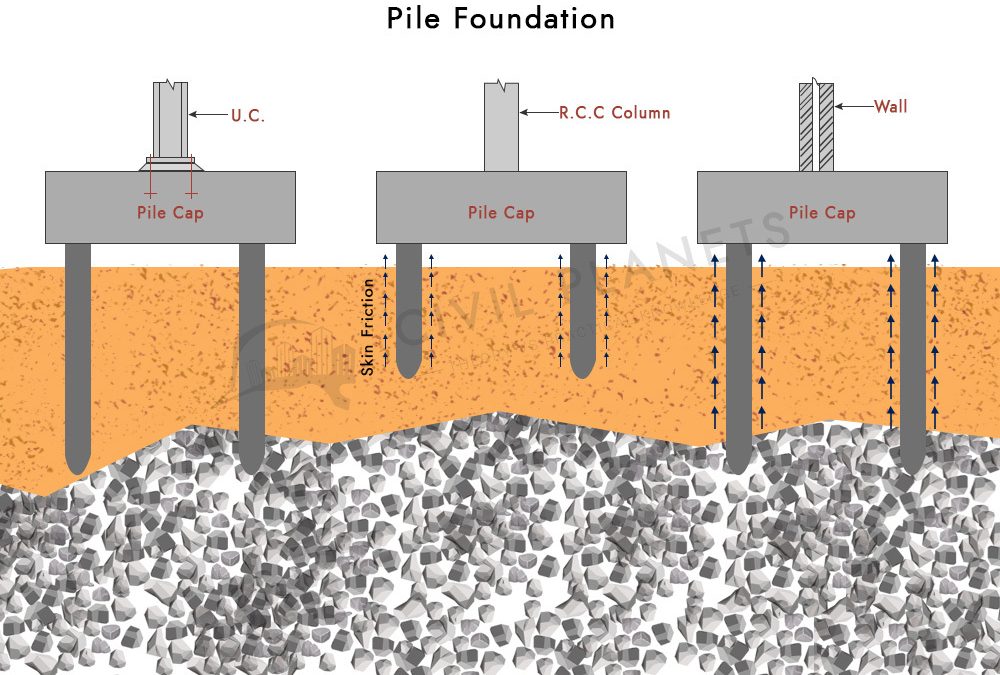
Piling bases are vital elements in construction, particularly for buildings that require profound support. They consist of the utilization of tall, slender piles or piles made from diverse materials like metal or concrete, which are driven deep into the ground to access stable ground strata. This method provides the essential load-bearing ability required for massive buildings, making it essential in city areas and settings where surface soil conditions are insufficient to support substantial weight.
The value of pile bases lies in their capacity to spread the load of a structure evenly and safely. They redirect loads from the building down to deeper, more solid ground or rock strata, which prevents problems such as settling or shifting that can jeopardize the integrity of the structure. By using pile bases, engineers can guarantee that buildings remain stable, even in tough situations such as sandy or soft soils, where traditional foundations would fail.
Various types of piling foundations are available, such as forced piles and bored columns, each fitted for specific situations. Forced columns are often favored in contexts where rapid installation is important, while bored piles can be advantageous for projects requiring less disturbance to the adjacent area. Understanding the different choices available allows construction professionals to choose the best pile base type that satisfies the unique needs of each initiative, ensuring security and durability.
Forms and Advantages of Piling Foundations
Foundation piles come in several forms, each tailored to meet specific soil conditions and load needs. The most frequent forms include driven foundation piles, bored piles, and small piles. Piles that are driven are constructed by driving prefabricated piles into the ground using a pile driver, making them ideal for compact soils. Bored piles involve drilling a hole into the ground and then filling it with cement, which is notably useful in weaker soil environments. Small piles and micro piles are thinner piles suitable for restricted sites and lighter loads, providing adaptability in dense urban areas.
The advantages of using piling systems are many and important. One of the main gains is their ability to hold up heavy loads, making them essential for large buildings like tall buildings and elevated structures. Piling can also improve the overall stability of a building, particularly in areas with unstable or problematic soil. This is vital in preventing settlement issues, which can lead to costly repairs and risk concerns. Additionally, foundation piles can be installed in a variety of conditions, including marine environments, where traditional methods may not be practical.
Improvements in piling technology have greatly increased their performance and capability. Modern materials and construction techniques have led to the creation of more robust and lighter piles, which can be placed more quickly and with reduced environmental impact. This change not only maintains structural integrity but also addresses the growing concern for eco-friendliness in construction practices. By leveraging new techniques, engineers can refine piling solutions to meet specific project needs while reducing financial outlay and construction time.
Setting Up and Financial Factors
The installation of foundation foundations involves multiple critical phases that require careful organization and implementation. Initially, ground assessment is essential to determine soil conditions, stress needs, and surrounding factors impacting the building. When the necessary assessments are completed, a determination must be taken regarding the type of piling to use, whether driven, bored, or possibly micropiles based on the distinct necessities of the task. This phase also requires get necessary approvals and coordinating with service firms to ensure that the installation advances without issues.
Financial considerations for piling foundations can differ significantly depending on multiple factors including earth classification, foundation substances, and construction dimensions. Inserted Informative post tend to be less expensive for specific uses, while bored piles may incur increased costs due to machinery requirements and workforce. Additionally, transporting materials to the area, labor expenses, and possible site arrangements can considerably influence overall costs. Buyers must also take into account long-term advantages and added durability of foundation bases when determining the initial outlays versus possible future gains.
Additionally, issues such as unexpected soil characteristics can affect both setup time and charges. Proper organization and threat analysis can help lessen these surprising problems. Technical experts often conduct pile load testing during setup to ensure the quality and effectiveness of the foundation, which can result in additional costs associated with the procedure but yields valuable data to ensure structural stability. Understanding these elements is essential for making educated decisions about investment in foundation foundations that will support the endurance and strength of the edifice in consideration.