

Structural engineering plays a vital role in forming the tangible world surrounding us. From imposing skyscrapers and landmark bridges to residential homes and intricate infrastructures, structural engineers are the specialists who ensure that these buildings are not only visually appealing but also reliable and durable. As society continues to progress, the demands on our buildings are changing, leading to cutting-edge techniques and materials that prioritize eco-friendliness and robustness. This article will delve into the intriguing world of structural engineering, providing perspectives into its role and the latest trends that are creating a more sustainable future.
As we gaze forward, it's essential to understand the diverse responsibilities held by structural engineers in modern construction. Their skills is essential in addressing challenging design issues, for example integrating strength and aesthetics while maintaining public safety. With the continuing advancements in technology, like 3D modeling and improved software tools, the future of structural engineering holds promising possibilities. Throughout this article, we'll consider key concepts including the evolution of materials, the science behind earthquake-resistant designs, and the role of structural engineers in disaster recovery, showing just how essential they are to shaping a sustainable tomorrow.
Understanding the Field of Structural Engineering
Structural engineering is a specialized field belonging to the broader scope of civil engineering which centers around the planning and evaluation of edifices which bear or oppose loads. It includes everything from bridges and tall structures to single-family houses and sports complexes. Structural engineers guarantee that these structures can withstand the various stresses they face, including weight, air pressure, and earthquakes. By utilizing theories of physics and material science, they develop safe and effective designs which fulfill the intended use of the structure.
The function of structural engineers remains vital in contemporary construction undertakings. They collaborate closely with designers and other professionals to ensure that the aesthetic vision is feasible while also being safe in design. This requires computing forces, assessing materials, and employing cutting-edge tools such as advanced design software. Every initiative offers specific issues, and structural engineers are required to adjust their approaches to meet individual site conditions, building codes, and safety guidelines.
As the globe evolves, so too does the practice of this engineering specialization. Cutting-edge materials and approaches are developing to boost eco-friendliness and resilience in building design. With climate change and city growth presenting new hurdles, structural engineers stand at the van of developing solutions that harmonize aesthetics, effectiveness, and environmental responsibility. The prospects of structural engineering will continue to see advancements that not only shape our skylines but also support safer, environmentally friendly construction practices.
Advancements and Trends in Structural Engineering
The domain of structural engineering is constantly evolving, with innovations influencing the way facilities and constructions are designed and fabricated. One significant development is the rising use of cutting-edge materials such as carbon fiber reinforced polymers and UHPC. These materials not only improve structural integrity but also support to eco-friendliness by reducing the carbon footprint associated with construction. The focus on energy-efficient designs is motivating engineers to investigate materials that offer greater strength while being less heavy and more environmentally friendly.
Another crucial development is the integration of technology in the development and analysis methods. Digital Modeling is revolutionizing how structural engineers work together with architects and other disciplines. By creating a detailed digital representation of a project, BIM allows for better visualization, coordination, and management of construction operations. Additionally, the incorporation of AI and ML is helping engineers anticipate potential structural issues and optimize designs, ultimately leading to more secure and more efficient structures.
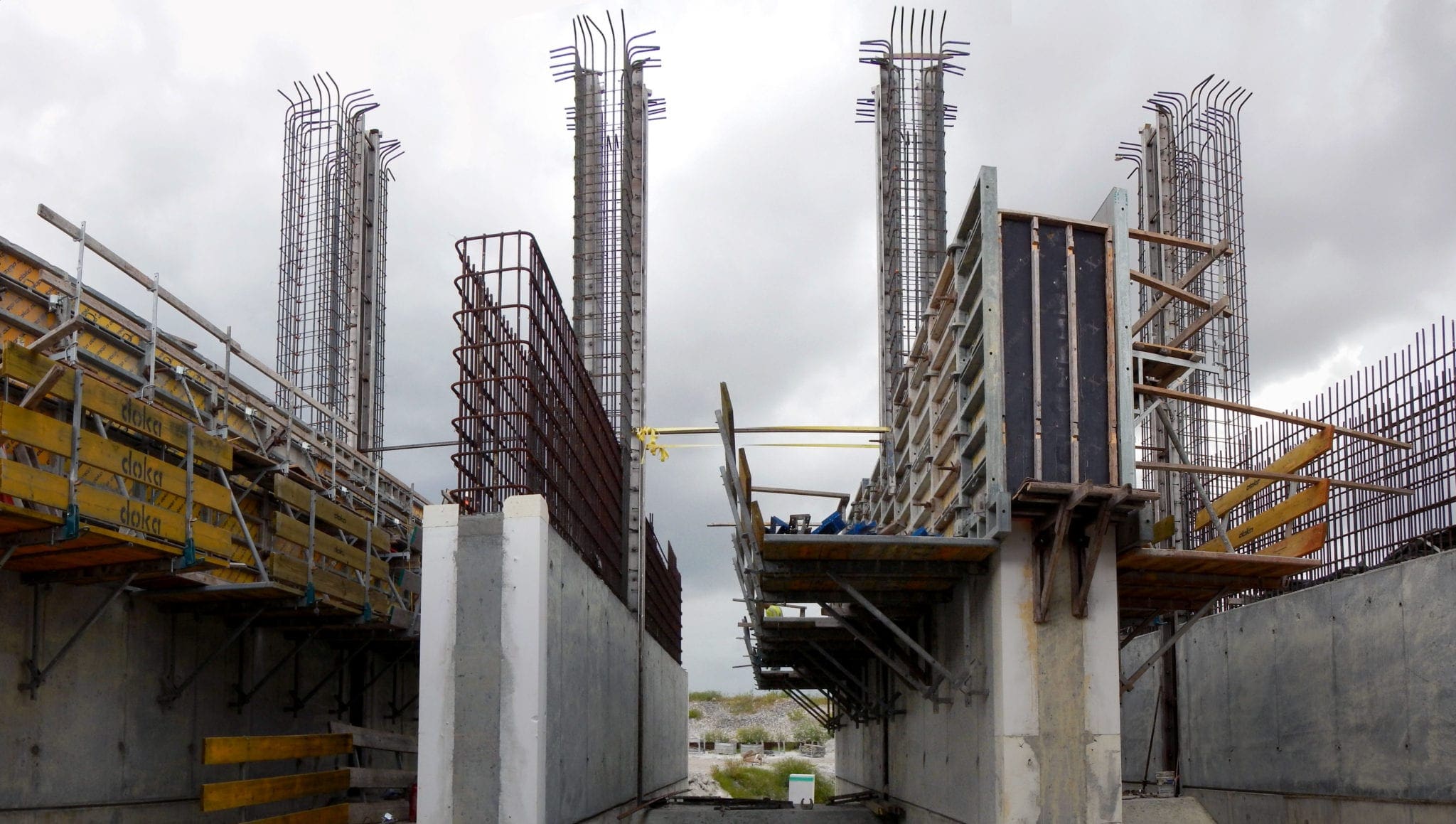
Green practices is at the forefront of modern structural engineering approaches. Engineers are progressively focusing on sustainable building standards and eco-friendly construction methods. This includes implementing techniques such as modular building, which reduces excess waste and boosts energy efficiency. As the demand for sustainable structures increases, the function of structural engineers is becoming more vital in ensuring that projects not only satisfy safety standards but also contribute the ecosystem and local population.
A Significance of Structural Engineers in Green Design
Civil engineers have a key role in fostering environmental responsibility within the man-made environment. By integrating eco-conscious design principles, they assist minimize the ecological impact of building projects. This entails selecting materials that are responsibly sourced and improving the use of resources to minimize waste. Civil engineers collaborate closely with designers and contractors to ensure that sustainability is embedded into every aspect of the design, from the foundation to the finishing touches.
Cutting-edge technologies and practices are increasingly being utilized by civil engineers to further enhance sustainability. For instance, the use of state-of-the-art computational tools enables better analysis and modeling of buildings, leading to better designs that use less materials without jeopardizing security or performance. This forward-thinking approach not only contributes to the physical integrity of structures but also correlates broader goals of lowering carbon footprints and increasing energy efficiency.
Furthermore, civil engineers are essential in the lifecycle assessment of structures, analyzing how their designs will perform over time. They evaluate factors such as power use, longevity, and the possibility for reuse or repurposing of materials at the end of a building's life. https://structuralengineersurrey.co.uk/best-structural-engineer-surrey/ ensures that structures are not just sustainable during construction but remain ecologically responsible throughout their entire existence, thereby promoting a more eco-friendly future in building design and engineering.