

Selecting the right cover for your boat is crucial for every person who owns a boat who wants to safeguard one's asset and guarantee that his or her vessel is in optimal condition. With a large range of options present on the scene, it can be overwhelming. This guide is designed to clarify the decision-making process, helping you grasp the different types of marine coverings, their substances, and the pros they offer.
Whether you’re you are a veteran sailor or a first-time boat owner, knowing how to choose the perfect cover can be crucial. From comprehending the importance of UV protection to sizing up your boat for the most suitable fit, the comprehensive guide will provide you all the knowledge you need. Explore the world of boat covers with us and learn how to protect your craft from the environment while maintaining its durability and aesthetic.
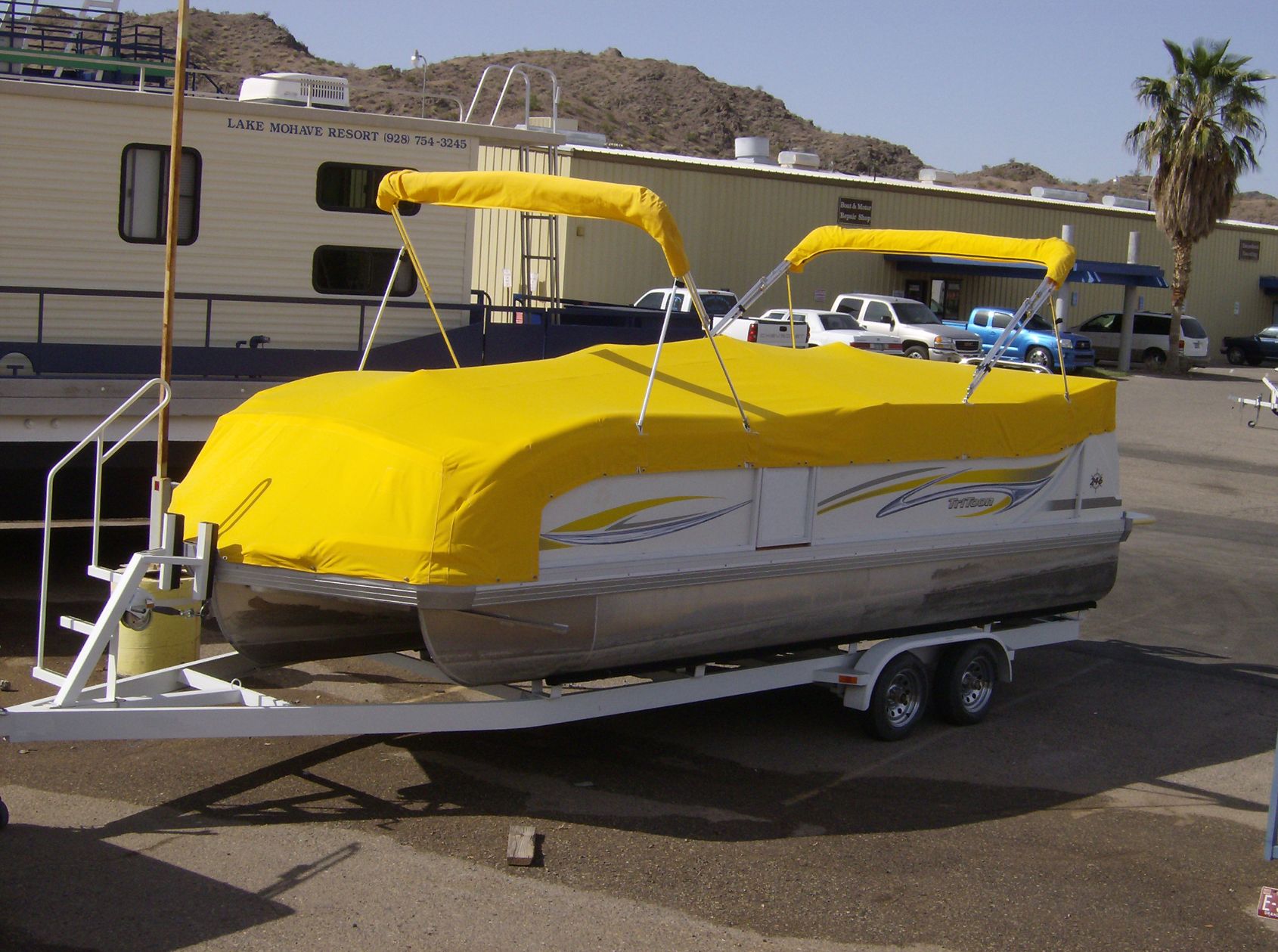
Fundamental Features of Boat Covers
When selecting a boat cover, one of the most crucial factors to consider is the material. Boat covers can be made from different fabrics, each offering different levels of durability and safeguarding. Common fabrics include canvas and synthetic material, each with its specific advantages and disadvantages. Canvas is known for its toughness and ventilation, making it an excellent choice for damp environments. On the other hand, polyester tends to be less expensive and lighter-weight, providing good water resistance while being simpler to manage.
Another important feature is the fit of the boat cover. A well-fitting cover should snugly adhere to the contours of the boat, which prevents water from pooling and dirt from getting in. Choosing between tailored and universal fit options is crucial. Custom covers are tailored to your boat's specific size and can offer a superior seal, but universal covers are typically more budget-friendly and can fit a variety of boat sizes. Regardless of the choice, ensuring a proper fit is essential to enhancing protection.
Lastly, consider the cover's ultraviolet shielding features. Continuous exposure to sunlight can lead to color loss, splitting, and deterioration of your boat. Quality boat covers come with UV protectants that safeguard your asset from harmful rays. This capability is especially important for those who store their boats outside. A cover that offers strong UV protection not only maintains the aesthetic value but also extends the life of your boat, making it a wise long-term investment.
Maintenance and Maintenance for Your Cover for Your Boat
To extend the life and effectiveness of your cover for your boat, regular care and maintenance are crucial. Begin by washing your boat cover at a minimum of two times a annum, ideally in spring and late fall. Use a mild soap solution and a soft brush to eliminate dirt, debris, and any contaminants that may have built up. Website link with fresh water before allowing it to air dry fully under shade to prevent sun damage from direct sunlight.
Examine your cover regularly for signs of wear and tear, such as torn stitching, discolored fabric, or small holes. Fix these issues promptly to prevent further damage. For small repairs, you can use a fabric patch kit designed for covers. If you discover major issues or if it has reached the end of its lifespan, think about purchasing in a replacement cover to guarantee continued protection for your boat.
When not in use, store your cover properly to preserve its quality. Ensure it is clean and completely dry before folding it to prevent mold and mildew growth. Store it in a chilly, arid place free of direct sunlight, and consider using a ventilated storage bag to keep it protected from dirt and additional elements. Following these guidelines will help you maintain the quality and lifespan of your boat cover.
Choosing Among Bespoke and Standard Covers
When selecting a boat cover, a major factors is deciding between tailored and universal options. Bespoke boat covers are designed specifically to fit the specific dimensions and contours of your boat. This provides a snug fit, preventing any shifting or shaking that could lead to damage. They are typically made from high-quality materials and made to accommodate particular features of your boat, such as towers, fittings, or other add-ons. If you own a unique boat, a custom cover could be the optimal choice for maximizing safeguarding and prolonging the life of your investment.
In contrast, universal boat covers offer a cost-effective solution. These covers are constructed to fit a variety of boat sizes and styles, providing a one-size-fits-all fit that may not contour ideally to your particular vessel. Although they can be a viable temporary solution, they may not provide the same degree of safeguarding as a bespoke cover. Their larger fit can lead to water pooling, increased exposure to wind, and potential risk from detritus. Nonetheless, they are frequently available in various materials and price ranges, making them accessible for boat owners on a limited budget.
In the end, the choice among bespoke and standard covers comes down to your individual requirements, budget, and how often you utilize your boat. For regular use and ideal fit, a bespoke cover is probably the way to go, while occasional boaters or those looking for a cost-effective option could see a universal cover suitable. Evaluating your boat's needs and your commitment to its upkeep will help you make the most informed decision.