

This rapid advancement of drone technology is revolutionizing various industries, and property measurement is at the forefront of this shift. While traditional surveying methods face limitations, unmanned aerial vehicle surveys are rising as a revolutionary solution that offers accuracy, effectiveness, and economic efficiency. Get more info to the ability to capture high-resolution images and data from remote areas, drones are transforming how we approach property development, construction, agriculture, and more.
In this modern era, the benefits of employing drone surveys are proving to be increasingly evident. Ranging from boosting https://notes.medien.rwth-aachen.de/jCsTI4ekRqGTDdRey1NAEw/ planning accuracy to providing safer alternatives for inspections, the applications of drones are extensive and multifaceted. While we explore the thirty persuasive reasons to evaluate drone surveys for your future project, it is evident that this groundbreaking approach is not just a fad but a necessary advancement in the field of land measurement. Participate us as we delve into how drone surveys are influencing the future of industries and what positions them a significant asset for specialists across the board.
The Merits of Drone Surveys
UAV surveys are revolutionizing the way land measurement is conducted, providing major advantages over traditional surveying methods. One of the key benefits is that the speed at which they can collect data. Unlike ground-based surveys, which may require days or even weeks, drones can gather extensive aerial imagery and topographical data in just a few hours. This efficiency not just accelerates project timelines and allows for quicker decision-making, ultimately boosting overall productivity.
In addition to speed, UAV surveys deliver a level of precision that has transformed various industries. Equipped with advanced sensors and cameras, they capture high-resolution images and data that can be processed to create detailed maps and models. This accuracy plays a vital role for applications such as construction, where precise measurements are vital. Moreover, drones can easily access hard-to-reach areas, enhancing the comprehensive nature of data collected, which is particularly beneficial for topographical mapping and infrastructure inspections.
Affordability represents yet another advantage of drone surveys. By reducing the need for extensive manpower and cutting down on equipment requirements, organizations can significantly lower their survey costs. The reduction in labor, coupled with decreased project timelines, leads to substantial savings. Additionally, the ability of UAVs to perform tasks such as thermal imaging and environmental monitoring without risking human safety further illustrates their value, making UAV surveys an attractive option for a variety of projects.
Comparative Assessment of Surveying Methods
In the realm of land surveying, classic surveying methods have long been established approaches, involving extensive manual calculations and the use of devices such as total stations and total stations. These techniques, while proven, often require significantly more time and labor, leading to potential human errors and increased project costs. Surveyors must move through the land in person, which can slow down the process and challenge data gathering, especially in difficult environments.
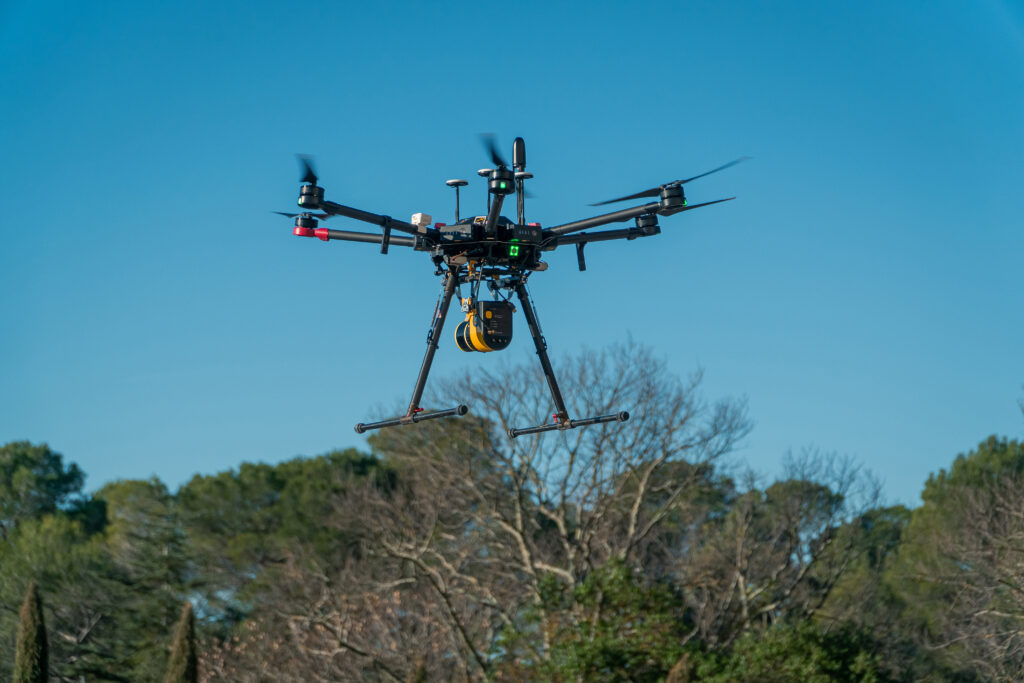
In comparison, UAV surveys introduce a modern efficiency that innovates the way land is measured and charted. With drones loaded with GPGS and high-resolution cameras, large areas can be scanned efficiently, providing comprehensive data that can be analyzed into 3D models and orthomosaic maps. This method minimizes human intervention in the data gathering phase, resulting in high precision and reliability. The ability to access hard-to-reach locations without the risks of traditional methods showcases the strengths of using drones for major surveys.
Furthermore, the integration of drone survey data with advanced programming applications enhances the potential of land measurement. Whereas traditional methods often require lengthy data analysis and manual drafting, drone surveys facilitate rapid evaluation and easier integration with CAD programs, streamlining project workflows. This digital advancement not only improves project planning accuracy but also helps in reducing costs and efforts, making drone surveys an compelling alternative for a variety of fields.
Emerging Developments in Drone Survey Technology
As UAV advancements continues to progress, one of the most promising developments is the integration of AI and ML into the surveying process. These advancements allow UAVs to process data in real time, enhancing decision-making and increasing precision. For example, AI programs can automatically detect and classify features from captured images, streamlining the process and minimizing human error. This not only increases efficiency but also enables surveyors to concentrate on more critical tasks that require human insight.
A further significant trend is the development of hybrid drones that combine aerial and ground surveying capabilities. These multifunctional machines can collect data from multiple perspectives, providing a more comprehensive view of the surveyed area. By utilizing both flying and ground-based sensors, these UAVs can attain higher levels of detail and precision, making them particularly advantageous for intricate projects in city environments or challenging terrains.
Lastly, the continued progress in data handling and visualization techniques will further enhance the utility of drone mappings. Innovations in 3D mapping and modeling technologies are making it simpler for stakeholders to see projects and understand spatial connections. This immersive experience supports better communication among team participants and clients, ultimately leading to more effective project organization and execution. As these technologies advance, the role of drone mappings in various sectors will certainly become more critical, shaping the future of land mapping and progress.