

Amidst today's quickly developing infrastructural environment, creative methods are essential for fulfilling the complicated requirements of urban growth and ecological protection. Horizontal directional drilling has surfaced as a popular method for setting up various services underground, offering notable benefits over traditional excavation techniques. Through allowing for accurate and careful drilling at various orientations, this technology minimizes surface disruption while boosting productivity.
Understanding the skill of directional drilling is crucial for individuals participating in contemporary construction and service installation tasks. From water and waste lines to fiber optic cables and gas pipelines, the uses of directional drilling are vast and varied. This piece will explore the myriad benefits this technique brings to infrastructure development, the detailed process involved, and the key factors that ensure effective project completion. Join us as we explore the subsurface world of directional drilling and uncover its crucial role in shaping our cities and communities.
Key Benefits of Directional Boring
This technique offers notable advantages over conventional excavation techniques, mainly when it comes to reducing surface disruption. It allows for the setup of utilities and pipelines sans extensive trenches, reducing the effect on streets, sidewalks, and landscapes. As urban areas grow, keeping the integrity of current infrastructure while performing required installations becomes crucial, and directional drilling proves to be an optimal solution.
Another key benefit of directional drilling is its flexibility in various applications, including the setup of fiber optic lines, water and sewer systems, and gas pipelines. The capability to drill at multiple angles and depths means that projects can be customized to particular site conditions, avoiding hindrances such as current utilities or geological challenges. This flexibility not only boosts project efficiency but also ensures essential services can be installed with limited interruption.
Additionally, directional drilling is recognized for its environmental advantages. By utilizing trenchless technology, the technique minimizes land disturbance and conserves vegetation and wildlife habitats. This method significantly reduces the risk of erosion and sediment displacement, contributing to improved environmental outcomes. As society increasingly emphasizes sustainability, directional drilling stands out as a sound choice for modern infrastructure projects.
Directional Drilling Procedure and Technology
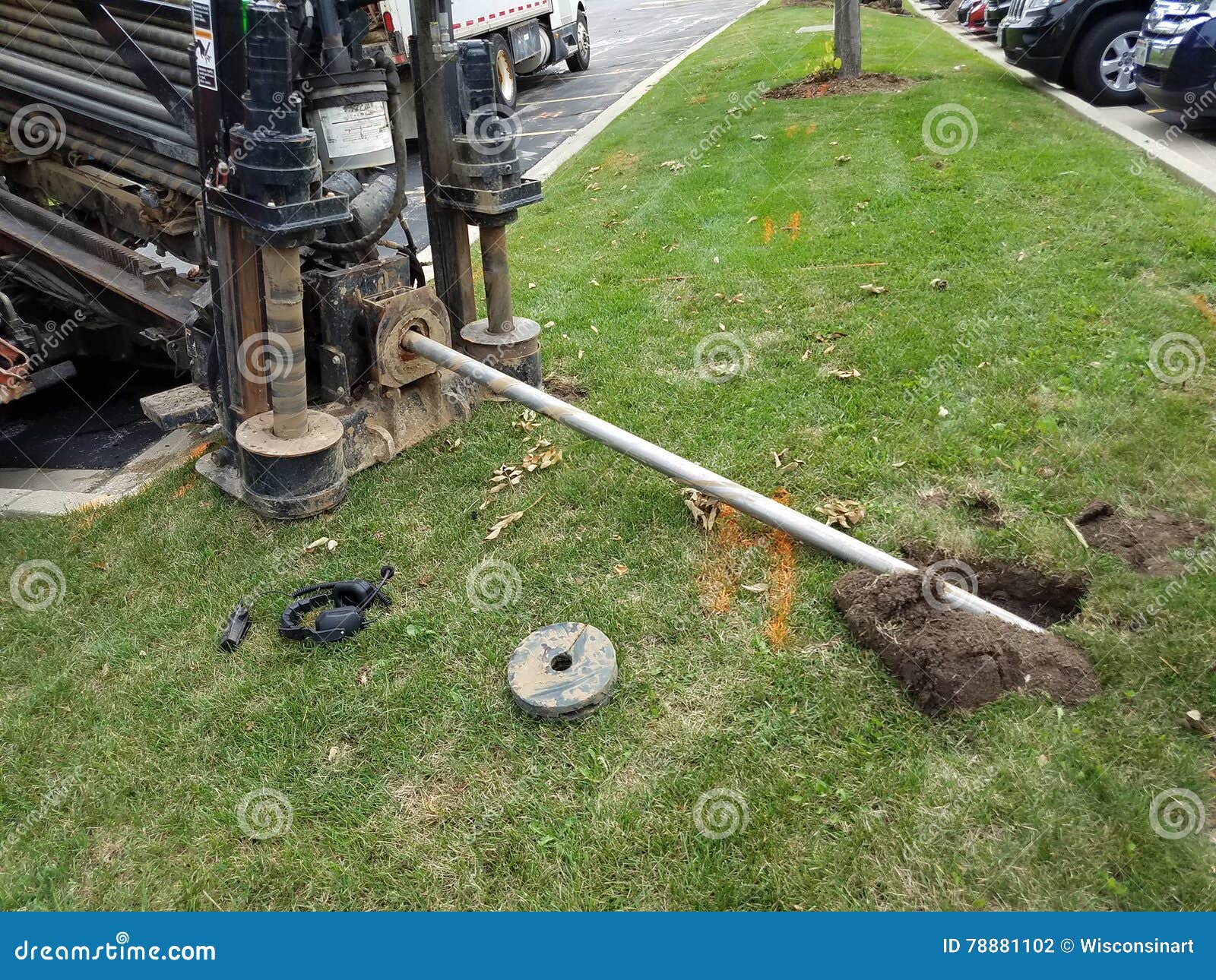
Directional drilling is a sophisticated method that allows drillers to create a bore path at different angles instead of merely vertical or horizontal. This technique commences with precise planning, which involves site surveys and the choosing of appropriate drilling paths. Use of advanced computational software and modeling tools aids in creating the most effective path while considering criteria such as geological conditions and existing underground utilities. This first stage sets the basis for a successful drilling operation.
Once planning is finalized, the actual drilling process starts. It usually involves the use of specific equipment such as drill rigs, downhole motors, and drilling fluids. The drilling fluids act a crucial role in keeping cool the drill bit, removing cuttings, and stabilizing the borehole. As the drill moves forward, steering tools are utilized to gradually change the angle of the bore path, allowing workers to steer around obstructions or to arrive at targeted depths more effectively. Continuous surveillance of the bore path is necessary to ensure correctness and adherence to the designed trajectory.
Technological advancements have substantially enhanced the functions of directional drilling. Equipment has become more sophisticated, allowing for live data collection and analysis during operations. Methods like mud logging and telemetry systems provide instant feedback on borehole conditions and drilling performance. Horizontal Directional Drilling Northern Ireland of technology boosts decision-making strategies and minimizes the chance of frequent challenges met during directional drilling. As a result, projects not only become more effective but also minimize environmental impact and surface disruption compared to conventional methods.
Uses and Examples of Directional Boring
Directional drilling has become an vital technique in various fields, particularly in cities where ground disturbance must be limited. It is extensively used for the placement of infrastructure lines, such as water supply, wastewater, natural gas, and fiber optics. These projects often require precise navigation under roads, bodies of water, and existing structures, making this technique a favored choice due to its ability to avoid surface disturbance while ensuring effective deployment.
Numerous reports demonstrate the benefits of this method. For example, a major city effectively implemented this technique to install high-capacity telecommunications cables under high-traffic areas without disrupting vehicle circulation. Click here for info illustrated not only the effectiveness of directional drilling in terms of time and budget efficiency but also the slight effect it had on the surrounding environment and community. Such effective implementations underline the technology's adaptability and trustworthiness in responding to modern structural demands.
Another notable implementation of directional drilling is in the renewable energy sector, specifically for wind power and photovoltaic installations. By using directional drilling to lay underground cables linking clean energy sources to the power grid, companies can improve energy transmission while protecting land condition and reducing environmental effects. This approach not only supports sustainable practices but also ensures that power infrastructure can grow in response to increasing demands without jeopardizing environmental integrity.