

In the world of construction, the significance of a durable foundation cannot be overstated. However, a lot of folks fail to recognize one of the essential elements in this field: piling foundations. Commonly set aside to the background, piling foundations serve an important purpose in supporting some of the most significant structures we build today, from imposing towers to bridges that span great distances. Understanding the complexities of piling foundations offers deep understanding of the engineering marvels that transform our urban landscapes.
This article seeks to illuminate the fundamental characteristics of piling foundations and why they matter in construction. From describing their functions to outlining the types and uses, we aim to lead you through the world of piling. https://graph.org/Groundbreaking-Approaches-Current-Techniques-to-Piling-Bases-10-23 if you are a veteran engineer, a building aficionado, or a curious homeowner, this guide aims to arm you with the understanding necessary to recognize how these overlooked champions contribute to the safety and longevity of buildings in diverse conditions.
Grasping Pillar Base Structures
Support foundations are an integral construction technique used to support buildings by transferring their load to greater more stable ground or bedrock strata. These bases are especially valuable in areas where the surface soil is unstable or liable to subsidence. By driving or boring piles into the ground, engineers create a stable foundation that ensures the structure can withstand various stresses, comprising those from heavy weights or environmental factors.
The method of constructing pillar bases involves various methods, for example driven supports, which are hammered into the earth, and drilled piles, which are removed and then filled with cement. Each approach has its merits and is selected based on specific local conditions and construction specifications. Understanding how these supports function is important for maintaining the integrity and durability of the buildings they underpin, be it homes, commercial buildings, or infrastructure projects.
Support bases also play a significant role in marine and quake-sensitive areas, providing necessary support against forces that might alternatively compromise a typical support structure. As engineering demands progress, so too does the innovation and means related to pillar, making it crucial for engineers to stay aware on the newest innovations. This makes support bases not only a realistic choice but also a smart choice for guaranteeing strength and safety in building projects.
Benefits and Applications of Piling
Foundation piling offer a variety of gains that make them essential for different types of construction projects. A major benefit is the capability of supporting heavy structures, notably in locations where the soil conditions are poor or unstable. By shifting the pressure of a structure deep into the ground, piling foundations improve the foundation's stability and minimize the risk of subsidence or collapse. This is vital for high-rises, infrastructural bridges, and major constructions that demand a robust base to withstand external pressures.
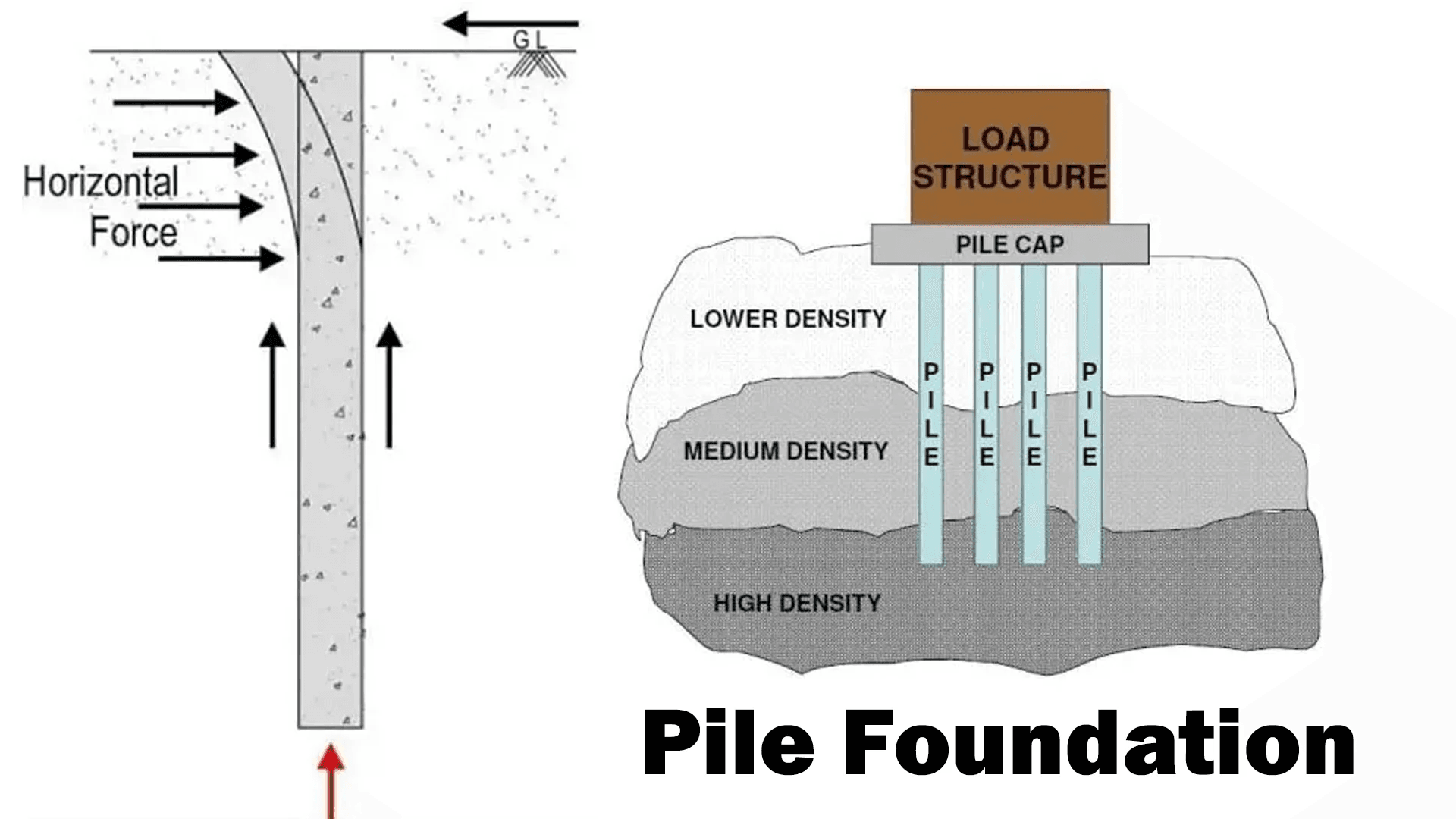
Besides their robustness, piling foundations are incredibly adaptable and can be tailored to meet the unique requirements of a project. Different types of pile types, like bored piles and driven piles, can be picked based on soil properties and weight demands. https://dancercrown2.werite.net/advancements-in-foundation-systems-the-prospects-of-subsurface-support allows engineers to successfully tackle challenges posed by weak soil, constraints in urban settings, or marine conditions. Piling can also be employed in short-term and enduring tasks, making it a versatile option for a variety of building contexts.
Moreover, piles can greatly improve cost-effectiveness in construction. Although the upfront costs may exceed those of conventional foundations, the prolonged positive effects, including reduced maintenance costs and increased building lifespan, often outweigh these expenses. By averting foundation issues and ensuring a robust foundation, piling foundations can yield considerable financial benefits over the duration of a construction's lifetime, making them a preferred choice for sustainable construction practices.
Obstacles and Advancements in Piling
Pile foundations face numerous challenges, particularly referring to location factors, environmental factors, and capabilities. One notable challenge is dealing with diverse soil conditions, which can impact the performance of the chosen pile type. Unforeseen obstacles during installation, such as underground utilities or large stones, can also cause delays and drive up expenses. Additionally, legal constraints around environmental considerations and zoning can complicate the planning and execution of piling projects.
Innovations in piling technology are constantly developing to tackle these hurdles. New resources, such as hybrid piles, are being created that deliver enhanced strength and load-bearing abilities. Advances in installation processes, like the use of oscillation-driven piles, aim to minimize noise and disturbance while guaranteeing efficient placement into the ground. Furthermore, improvements in monitoring technology allow engineers to assess pile performance in live, making it easier to modify methods and technology as necessary on-site.
As the demand for sustainable and robust construction rises, innovations in piling systems are becoming crucial. The combination of renewable energy sources, environmentally friendly materials, and innovative construction practices is setting the stage for more eco-efficient piling solutions. Engineers are focusing on designs that not only maintain structural strength but also address environmental concerns, ensuring that bases are not only strong but also sustainably designed. This commitment to advancement promises to enhance the efficacy and sustainability of piling foundations in upcoming construction projects.