

In today's world, implants have become a cornerstone of modern dentistry, often serving as an answer for those who have lost teeth. With the rise in favor of implants, myths and misunderstandings have also proliferated. Many people still maintain wrong ideas about dental implants, how they work, and their overall benefits. This article aims to clarify those myths and provide you with the key facts about dental implants.
Grasping dental implants starts with understanding their purpose. Unlike dentures, which can be taken out, or bridges that need alteration of adjacent teeth, dental implants are designed to be a permanent solution for tooth loss. They offer stability and longevity while at the same time enhancing an individual's well-being. As we explore the intricacies of dental implants, from their processes to post-operative care, you will gain insights into why more patients are opting for this revolutionary dental solution.
Understanding Dental Implants
Tooth implants are innovative solutions engineered to substitute missing teeth, delivering a solid foundation and rehabilitating functionality to the mouth. They comprise of two main components: a titanium post that is surgically embedded into the jawbone and an artificial tooth, known as a crown, which is placed on top of the post. This two-part structure resembles the natural tooth’s root and crown, allowing for better aesthetic appearance and stronger biting power.
One of the key benefits of dental implants is their ability to fuse with the jawbone in a process called osseointegration. This integration not only anchors the implant in place but also helps preserve the integrity of the jawbone, stopping the bone loss that often occurs after tooth loss. Unlike traditional dentures, which can move and cause discomfort, dental implants provide a stable, long-lasting solution that closely resembles the function and appearance of natural teeth.
Understanding the multiple components of tooth implants is essential for anyone thinking about this treatment. The procedure typically kicks off with a consultation to assess the patient's oral health and suitability for implants. Factors such as bone density, overall health, and lifestyle habits will influence the success of the procedure and whether further treatments, like bone grafting, might be necessary to bolster the implant.
Benefits and Factors
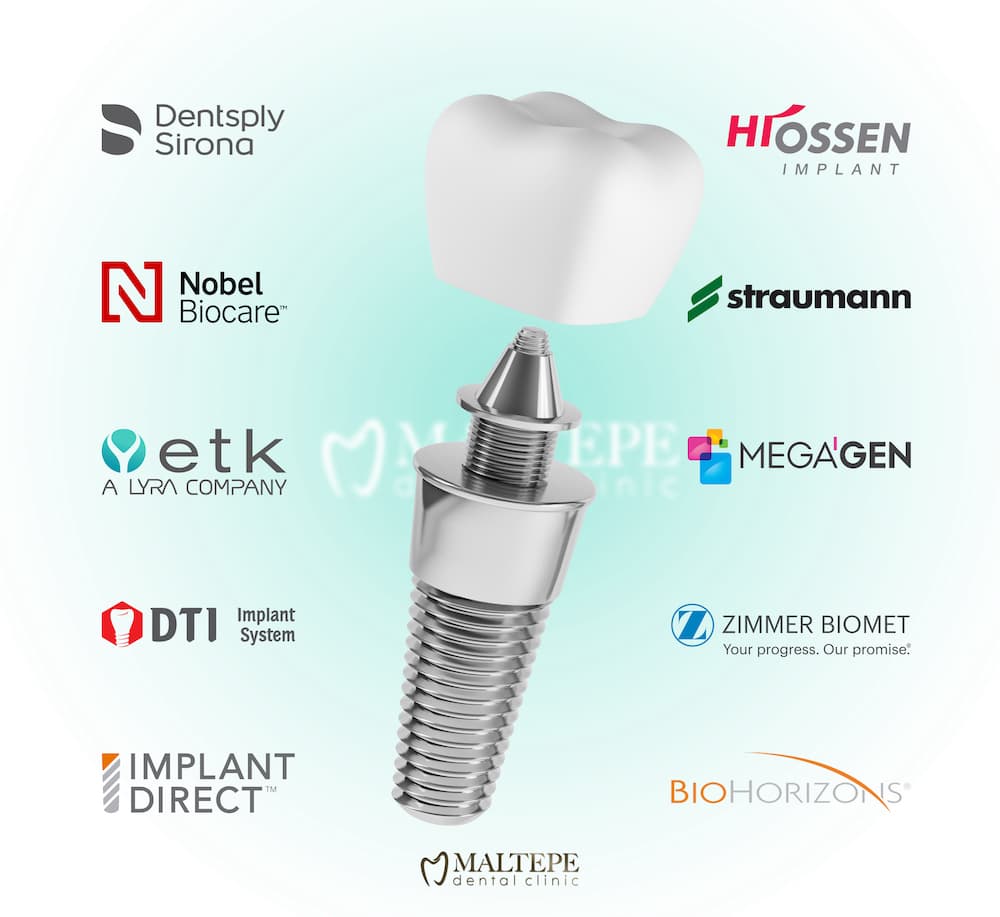
Implants offer numerous advantages that make them a popular choice for replacing teeth. One of the primary advantages is their ability to closely mimic the performance and look of natural teeth. Unlike dentures, which can shift and impact speech and eating, implants are securely anchored into the bone of the jaw, providing a reliable and long-lasting option. This firmness allows for improved ease and boosted self-assurance when eating or talking, making it easier for individuals to get back to their regular routines without fear of losing teeth.
Nonetheless, there are important factors to keep in mind when opting for dental implants. The procedure requires a medical component and may involve extra steps like bone grafting if there is not enough jawbone to hold the implant. Potential candidates should also consider their general dental condition and personal habits that may impact recovery, such as smoking or chronic health conditions. It is important to have detailed discussions with a dental expert to evaluate individual situations and determine the best plan of action.
Pricing is another significant factor when considering dental implants. While they can be costlier initially than other options like dentures or dental bridges, their longevity and minimal upkeep requirements often make them a more economical choice in the long term. Patients should explore financial options and treatments with their dental providers to find a solution that fits their financial situation while ensuring they receive the necessary care required for a successful implant experience.
Attention and Enduring Success
To ensure the sustained effectiveness of your dental implants, proper mouth care is vital. This requires cleaning your dentition at least twice a day with a fluoride toothpaste, flossing each day, and applying an antimicrobial mouthwash to minimize plaque buildup. Regular dental examinations and professional cleanings are essential as well, as your dental professional can monitor the health of the implants and nearby gums, addressing any potential issues before they worsen.
In addition to preserving good oral hygiene, it is essential to avoid habits that could jeopardize the stability of your implants. Steering clear of smoking and excessive drinking can significantly boost the success rate of dental implants. These factors can impair healing and raise the risk of implant failure. It's also wise to refrain from grinding your teeth or utilizing your teeth as tools, as this can create undue stress on implants.
Lastly, staying aware of your general well-being and any medical issues that may affect your dental implants is important. Conditions such as blood sugar disorders or osteoporosis can impact healing and implant durability. If website have any such conditions, working closely with your doctor and dentist can help address these factors successfully. With the right care and attention, your dental implants can provide lasting support for your smile and overall dental well-being.