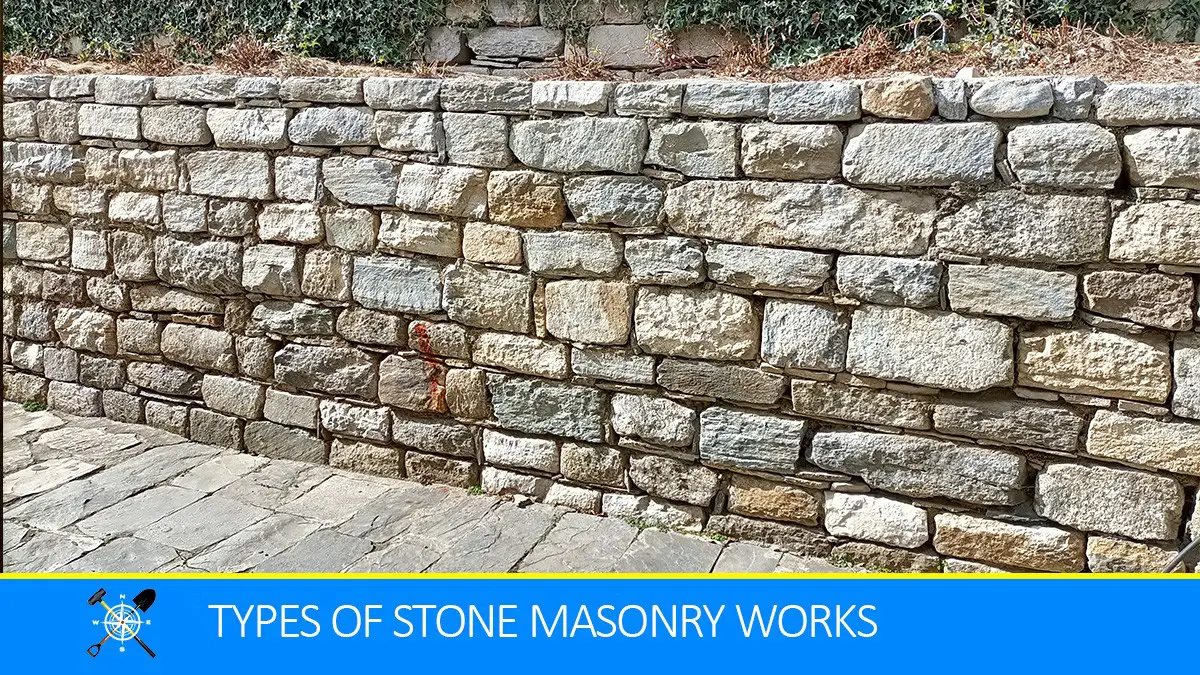
Stone masonry is an ancient craft known to humankind, with a vast history that spans thousands of years. From the majestic pyramids of Egypt to the charming cottages of New England, the skill of stonework has played a pivotal role in molding our building heritage. Yet, behind the breathtaking facades and enduring structures lies a world of concealed skills and techniques that every homeowner should be aware of. Whether you are thinking about a new stone feature for your home or planning to renovate an existing one, grasping the basics of stone masonry can make all the impact.
This article explores the necessary skills and knowledge that go into the craft of stone masonry. We will explore various aspects, from traditional techniques that have stood the test of time to contemporary innovations that enhance functionality and aesthetics. By highlighting critical insights such as the differences between natural and manufactured stone, tips for selecting the best stone mason for your project, and upkeep recommendations to ensure durability, we aim to equip you with the knowledge needed to create beautiful, lasting stonework in your home.
Fundamental Techniques in Rock Masonry
Rock stonemasonry is a traditional craft that requires a combination of craftsmanship, knowledge, and accuracy. One essential method is the careful selection and preparation of rocks. https://stonemasonworcestershire.co.uk/ assess each stone for durability and visual appeal before cutting or forming them to fit particular patterns. Properly evaluating the rocks ensures that they not only look good but also endure natural stresses over time, making this process crucial for any project.
An additional essential method is mastering the application of mortar. The type and mix of cement chosen play a crucial role in the durability and stability of rock buildings. Masons must understand how climate and moisture can affect mortar performance and choose formulations that provide optimal adhesion while allowing for natural movement. This understanding helps create structures that are both aesthetically pleasing and durable against the environment.
Finally, traditional techniques such as dry stacking and mortar application can greatly influence the overall design and integrity of a project. Dry-stone construction involves arranging stones without mortar, relying on gravity and accurate masonry techniques for stability. This method requires a sharp eye for detail and an understanding of balance. On the other hand, mortared methods provide a more robust bond, essential for taller or more complex structures. Gaining expertise in these techniques allows stone masons to craft beautiful work that withstands the test of time.
Determining the Best Type of Stone and Masonry Expert
Determining the appropriate stone for your construction is essential, as different types offer diverse aesthetics, durability, and maintenance requirements. Natural stones like granite, and granite are well-liked choices for their distinctiveness and longevity. Manufactured stone, while often more cost-effective and lighter, can resemble natural stone's design but may lack the same durability. Consider the planned use of the stone, from the rough beauty of a outdoor space to the refined elegance of an indoor hearth, to determine the ideal option for your unique needs.
Once you have recognized the type of material you desire, selecting a skilled masonry expert is also essential. Look for a tradesperson with a strong portfolio demonstrating past projects, especially those similar to what you visualize. A trustworthy stoneworker will not only hold the technical skills necessary for quality work but will also comprehend the details of different stone types. It is wise to ask for references and read reviews to verify they have a record for high-quality craftsmanship and client happiness.
Lastly, make sure that the mason you select recognizes the importance of proper techniques and instruments for working with your chosen stone. Discuss your vision openly, and don’t hesitate to ask questions about their strategy to the task. A good mason will be able to give advice on designing options and maintenance tips, making sure that your material project stays beautiful and functional for years to come.
Care and Preservation of Stonework
Caring for stonework requires a dedication to consistent care and focus to detail. One fundamental aspect is washing, which should be done using gentle methods to avoid harm the stone's finish. Using a soft brush and a combination of water with mild soap is typically enough to clear dirt and moss. It's important to steer clear of strong chemicals or power washers, as these can degrade both the stone and the mortar. Routine checks for cracks or signs of deterioration can assist homeowners stay ahead of potential problems.
Preservation of masonry is an elaborate process that seeks to maintain the integrity and aesthetics of the building. This can include repairing, where deteriorated mortar is replaced to restore strength and appearance. For historic buildings, it’s vital to use substances and methods that match the original construction as closely as possible. Engaging a professional stone mason who specializes in restoration can ensure that the work is done properly, using suitable methods and materials that respect the building's cultural context.
Finally, recognizing the environmental factors that affect stonework is vital for both care and restoration. Weather conditions like freeze-thaw cycles can lead to significant damage over the years. Proper drainage systems and protective sealants can assist mitigate these challenges. Homeowners should be proactive about maintenance tasks such as removing debris from gutters and ensuring downspouts direct water away from stone foundations. By being diligent in maintenance and restoration efforts, homeowners can ensure their stonework remains aesthetically pleasing and structurally sound for generations to come.