

When it comes to caring for your home, the top over your head is one of the most vital elements to consider. It protects you from the elements, keeps your energy costs down, and plays a significant role significantly to your property's overall worth. However, knowing when to hire roof services can be a hard task, especially with many factors impacting your choice. It's crucial to understand the clues that show you might need a new roof, how to choose the right service provider, and what to expect during a roof removal.
In this guide, we'll explore different aspects of roofing services, from the benefits of regular inspections to the benefits and drawbacks of multiple roofing materials. You'll learn about typical roofing problems and how to deal with them, essential maintenance tips to prolong the life of your roof, and important information about warranties and insurance claims. Whether you are dealing with storm damage or simply looking to upgrade your home's appearance, the right knowledge will empower you to make wise decisions about hiring roofing services that fulfill your needs.
Indicators When Your Roof Needs To Be Replaced
As a homeowner, staying aware to the condition of your roof is vital for upholding the safety and well-being of your home. One of the key signs that you might require a new roof is the presence of prolific curling or buckling shingles. If these shingles are showing traces of damage, it may indicate that your roof has come to the end of its duration. In addition, if you observe big patches of granules in your gutters or downspouts, it's a strong indication that your shingles are deteriorating.
Another warning sign is the sight of leaks or water stains inside your home. If you begin to detect water spots on your ceilings or walls, it may mean that your roof is letting moisture to enter, which can lead to more damage. Furthermore, if you see any moss or algae growth on your roof, it could indicate that there's contained moisture, causing to potential degradation of the roofing materials.
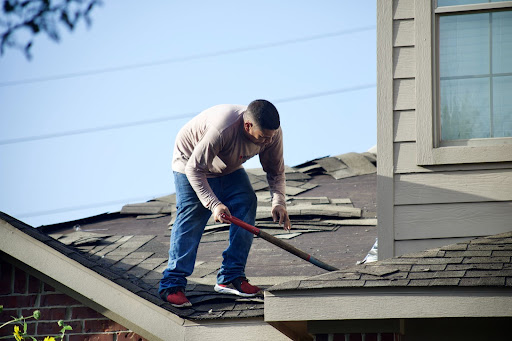
Finally, if your roof is considerably aged—typically beyond 20 years for asphalt shingles—it's wise to consider a new roof. Age along with noticeable damage, such as missing shingles or significant wear, usually points to the necessity of needing a new roof. Regular inspections can help you determine these factors early, enabling you to make informed decisions regarding your roofing needs.
Selecting a Roof Contractor
Choosing the best rooftop service provider is vital for the results of your roofing project. Commence by requesting referrals from friends, relatives, or acquaintances who have recently completed roof work done. Local feedback and web-based ratings can also offer insight into a contractor’s reliability and standard of work. Make sure Look at this website is licensed, insured, and has a good reputation with community business associations to assess their trustworthiness.
Once you have a shortlist of providers, set up for consultations to understand your roof requirements. Ask pertinent questions about their expertise, the materials they suggest, and their process for managing surprising complications during the project. It’s also smart to inquire about timelines and how they handle with clients throughout the process. Getting clear responses will help you evaluate their professionalism and whether their method aligns with your expectations.
Lastly, when evaluating estimates, focus on the specifics of what is included in the roof. A trustworthy contractor will provide a detailed overview of expenses, covering supplies, work, and any further tasks. Don’t be afraid to request explanation on parts that seem ambiguous. Reviewing estimates from different providers can also help you evaluate the common cost for your individual roof, ensuring you make an educated choice.
Comprehending Roofing Care
Regular maintenance is essential to prolonging the life of your roof and avoiding expensive fixes. Homeowners should schedule yearly reviews to identify likely issues such as shaky tiles, worn flashing components, or blocked gutters. By catching these problems early, you can minimize the risk of serious leaks or structural deterioration that could arise from lack of care.
In further to checks, executing easy care tasks can significantly boost your roof durability. This includes maintaining gutters and downpipes, clearing dirt from the roof, and maintaining proper breathability in the attic. Proper ventilation helps prevent moisture accumulation, which can result in mildew and decay of roof materials over time.
Putting effort and effort into regular roof care not just protect your home but can also reduce you cash in the long run. A properly cared for roofing is more energy-efficient and less prone to experience deterioration due to harsh weather. Ultimately, preventive maintenance ensures that your roofing stays a reliable defender of your property for an extended period to come.